ISU Review | This is how a resume is completed!
https://lxs.ecnu.edu.cn/_upload/article/images/1d/b0/acac63f6462bbf5d6da68e50a136/9783523e-db5d-4600-b308-a699ded716d6.jpg
DATE
2025-11-24


To help international students of our university to enhance their preparation for job hunting, the Employment and Entrepreneurship Department of the International Students Union (ISU) held the resume-themed event on Friday, November 14, 2025. The event focused on resume-making skills, aiming to help students clarify their job-seeking ideas, master practical methods, and more confidently and calmly meet challenges in their future career paths.
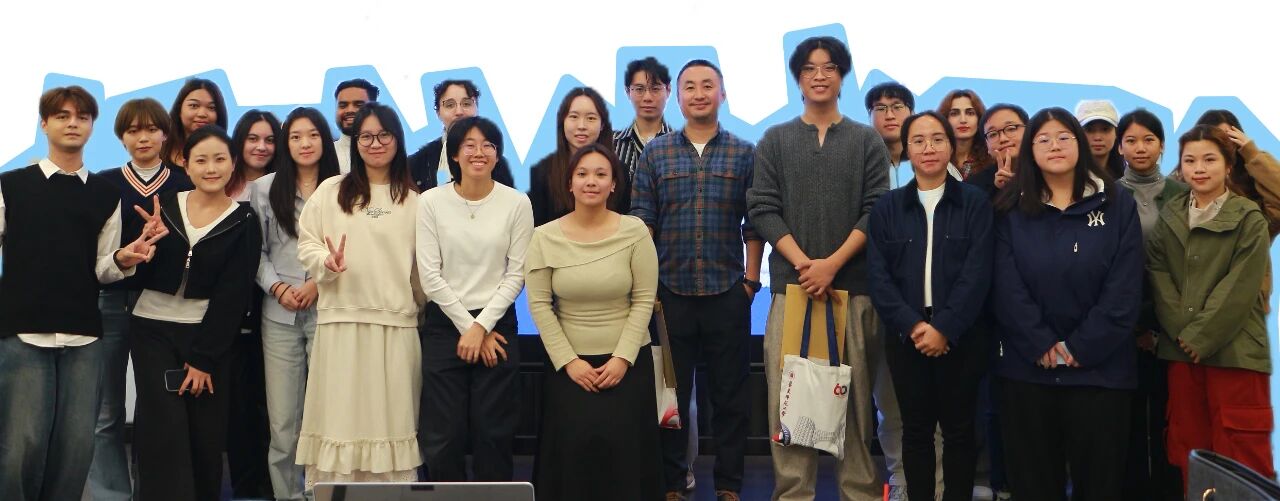
We invited senior campus-recruitment interviewer Zhang Huiyuan (Kevin), and alumni of the School of International Chinese Studies of ECNU, Tan Xianwu, Head of Overseas Recruitment at Huaqin Technology, to share their insights. From employment trends to résumé building and career direction, the speakers provided students with practical and comprehensive advice for their career development.
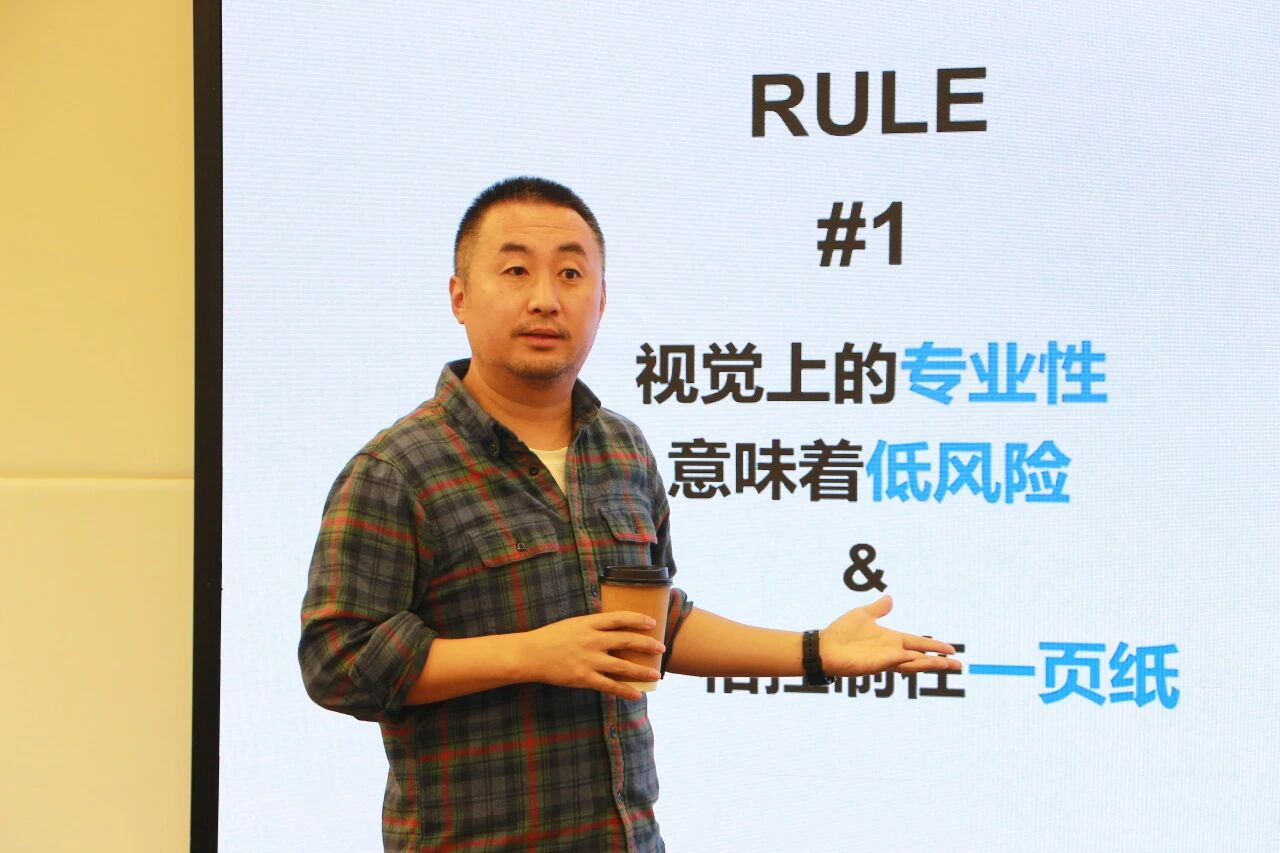
(Kevin)
01 Preliminary machine screening
At the beginning of his sharing, Kevin made the students realize that for a resume to be seen, it must first pass the machine screening. He emphasized that machines do not evaluate the quality of the content; instead, they identify candidates' information based on keywords and structure. Therefore, the layout of the resume must be clean, the information clear, and the keywords close to the job position, to avoid being filtered out in the initial stage due to messy formatting or missing information. He reminded everyone that there's no need to pursue complex designs; the key is to allow the system to accurately read who you are and what abilities you possess.
02 Manual screening
In the second part, Kevin explained the HR’s real decision-making process during manual screening. He showed examples of strong and weak résumés to highlight how readability directly affects results. HR usually forms an initial impression within about ten seconds, focusing on relevance to the role, measurable achievements, and a clear structure. Kevin emphasized that a résumé doesn’t need to include everything but the most relevant, valuable experiences that quickly show what you can do and why you should move to the next round.
03 Summary
"The language of a resume is to use the most concise words to let reviewers see and remember what you did and what the results were."
"The language strictly follows the principle of 'what you are responsible for, what you did, and what the results were', and the results are best presented with numbers."
"Educational experience accounts for 25%, internship/practical experience accounts for 70%, campus experience accounts for 2.5%, and others (such as language, skills, etc.) account for 2.5%. This is the standard for resume production."
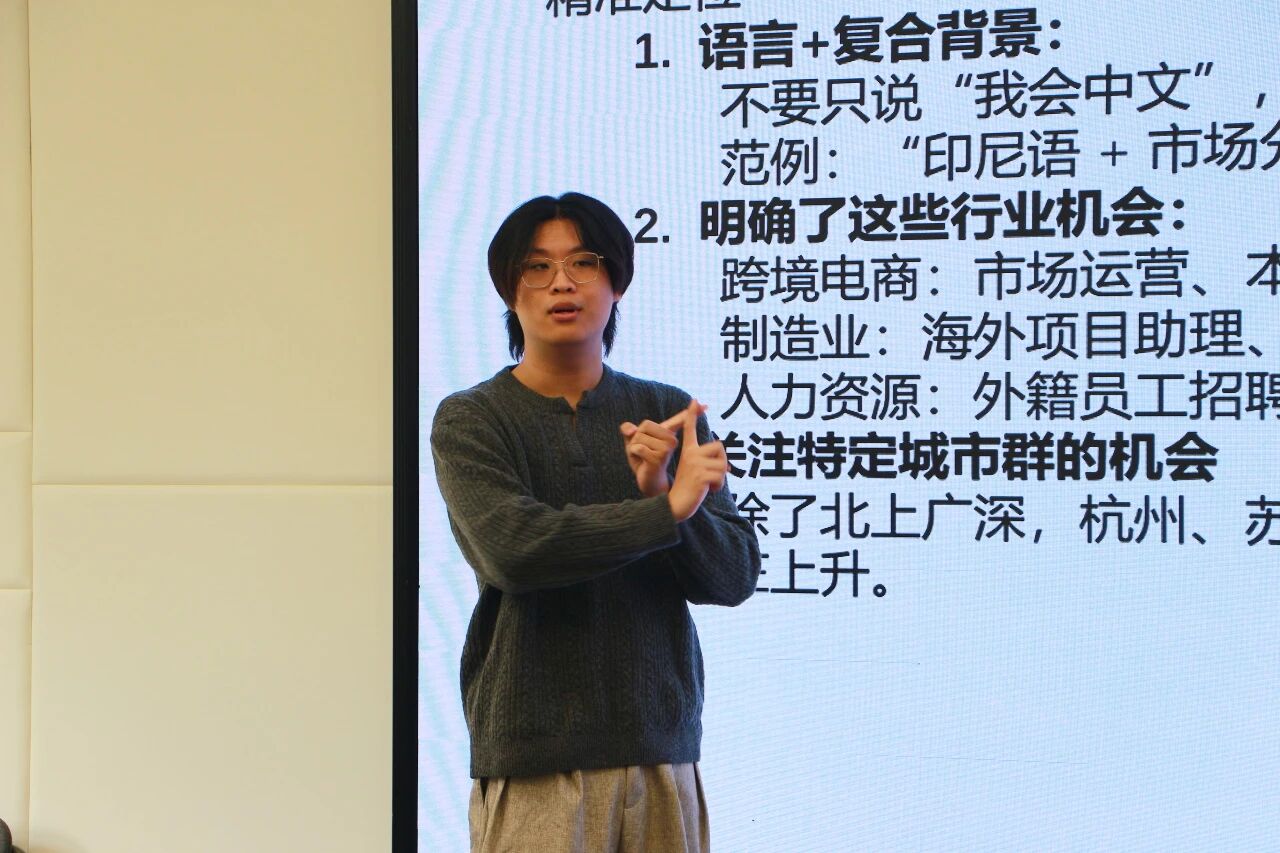
(Senior Tan)
At the beginning, Senior Tan started with the question that everyone is most concerned about: "What kind of position am I really suitable for?" He reminded the students that in addition to demonstrating their language abilities, they should also think about the value they can bring in terms of their major, interests, and experience. He cited several common interdisciplinary directions to help students find their positioning more easily, such as localization operations, market support, and cross-border e-commerce. Regarding channels, he combined the recruitment habits of enterprises, mentioned the characteristics of different platforms, and also pointed out that international students can quickly access real opportunities through official recruitment accounts, campus recruitment windows, and other methods. He reminded everyone to pay attention to the pace of enterprises and the frequency of job updates to make the job search process more efficient.
Finally, he sorted out the relevant procedures for work visa applications for the students, and combined real cases to remind everyone to pay attention to document preparation, enterprise qualification review, and common job search risks. He emphasized that advance planning is the keys to ensuring a smooth job search
Resume Workshop
After the talks, the event moved into an interactive workshop. Students asked questions based on their majors and career interests, sparking relaxed yet insightful discussions with the guest speakers about career choices and development planning. Through these face-to-face exchanges, many students gained a clearer understanding of their next steps in preparing for future opportunities.